North Region
Acre (Capital: Rio Branco)
Amapa (Capital: Macapa)
Amazonas (Capital: Manaus)
Para (Capital: Belem)
Rondonia (Capital: Porto Velho)
Roraima (Capital: Boa Vista)
Tocantins (Capital: Palmas)
Northeast Region
Alagoas (Capital: Maceio)
Bahia (Capital: Salvador)
Ceara (Capital: Fortaleza)
Maranhao (Capital: Sao Luis)
Paraiba (Capital: Joao Pessoa)
Pernambuco (Capital: Recife)
Piaui (Capital: Teresina)
Rio Grande do Norte (Capital: Natal)
Sergipe (Capital: Aracaju)
Central-West Region
Brasilia (Federal District)
Goias (Capital: Goiania)
Mato Grosso (Capital: Cuiaba)
Mato Grosso do Sul (Capital: Campo Grande)
Southeast Region
Espirito Santo (Capital: Vitoria)
Minas Gerais (Capital: Belo Horizonte)
Rio de Janeiro (Capital: Rio de Janeiro)
Sao Paulo (Capital: Sao Paulo)
South Region
Parana (Capital: Curitiba)
Rio Grande do Sul (Capital: Porto Alegre)
Santa Catarina (Capital: Florianopolis)
Brazil »
»
| Ceara | |
| Ceara is one of Brazil's 26 states, located in the northeast of the country, on the Atlantic coast. The state's population was 914,552 in 2020. It is one of Brazil's major tourist destinations. The state is best known for its long coastline, with 600 km (370 mi) of sand. It also boasts mountains and valleys that produce tropical fruits. The state capital is the city of Fortaleza. | |
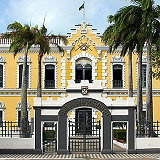
| Espírito Santo | |
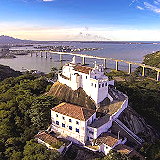
| Espírito Santo is a state in southeastern Brazil. The state capital is Vitória, and the largest city is Serra. With its long coastline, the state has several of the country's major ports, and its beaches are important tourist attractions. The state's population was 3,833,712 in 2022. | |
| Belo Horizonte | |
| Belo Horizonte is a city located in southeastern Brazil and is the capital of the state of Minas Gerais. It is the sixth largest city in Brazil and is known for its vibrant culture, striking architecture, and delicious cuisine. The city has a population of approximately 2.7 million people. | |

| Campinas | |
| Campinas is a Brazilian municipality in São Paulo State, part of the country's Southeast Region. According to the 2020 estimate, the city's population is 1,139,047. The Seven Wonders of Campinas is a list of the most popular tourism spots in the city of Campinas. | |

| Parque Portugal | |
| Portugal Park, also known as Lagoa do Taquaral, is an urban public park in the city of Campinas, São Paulo, Brazil. Built around a beautiful lagoon and adjacent green space, it is a major recreational and sports park in the city, and even includes an observatory. | |

| Fortaleza | |
| Fortaleza is the capital of Ceará state, located in northeastern Brazil. It is Brazil's fourth largest city, surpassing Salvador in the 2022 census with a population of over 2.4 million. The city forms the center of the Fortaleza metropolitan area, home to nearly 4 million people. Fortaleza is an important industrial and commercial center of northeastern Brazil. | |

| St Joseph's Cathedral | |
| St. Joseph's Church, also known as St. Joseph's Cathedral, is a Catholic church in the Archdiocese of Fortaleza, located in the city of Fortaleza, Brazil. The current church was built on the site of the old church. | |

| Coco Park | |
| Cocó Ecological Park is an area located on the Cocó River, serving as both a conservation area and a national park. Situated in the city of Fortaleza, Ceará province, Brazil, it is considered of great importance, both to the city and to the biodiversity protected within its boundaries. | |

| Lagoa Dos Patos | |
| Lagoa Dos Patos is a coastal lagoon located in the state of Rio Grande do Sul, southern Brazil. It boasts the highest density of ducks in the Lower Alentejo region. You can also see many species of storks, wading birds, and other birds such as the Greater Flamingo, the Cockatoo, the Bearded Swallow, the Gull-billed Swallow, the Ball-tailed Ibis, the Black-winged Long-legged Heron, and the Eurasian Spoonbill. | |

| Lagoa Mangueira | |
| Lagoa Mangeeira is a shallow coastal lagoon located in the state of Rio Grande do Sul, in southern Brazil. Formed approximately 4,500 years ago during the Holocene epoch by a sandbar caused by sea encroachment, it is one of the relatively new geological formations in the region and remains quite isolated. | |

| Botanical Garden | |
| The Rio de Janeiro Botanical Garden is located at the Jardim Botânico district in the South Zone of Rio de Janeiro. It is famous for the exuberance and the scientific importance of its plant collection, as well as for the beauty of its landscapes. Its bicentennial history is expressed in its monuments, buildings and artworks. | |

| History Museum of Japanese Immigration | |
| History Museum of Japanese Immigration in Brazil dedicated to documenting the story of Japanese immigrants to Brazil. It chronicles every imaginable aspect of the immigrant experience, making it a perfect place to explore the history of the country with the largest Japanese community outside of Japan. | |

| Cachoeira do Jatoba | |
| The Cachoeira do Jatoba is the largest waterfall in Mato Grosso and considered the 4th largest in Brazil. Located in the Serra de Ricardo Franco State Park, in the municipality of Vila Bela da Santíssima Trindade, the name of the waterfall is due to the large amount of jatobá trees in the region. | |

| Sao Paulo Museum of Art | |
| The São Paulo Museum of Art is one of the most important art museums in Brazil and South America. Located on Avenida Paulista, a bustling cultural and financial hub of São Paulo, MASP is renowned for its modern architecture and vast collection of Western art. | |

| Ilha Grande | |
| Ilha Grande, located in the state of Rio de Janeiro, Brazil, is a tropical paradise known for its stunning beaches, lush rainforests, and diverse wildlife. The island is part of the municipality of Angra dos Reis and is one of the largest islands along Brazil's southeastern coast, offering visitors a pristine natural environment and a rich history. | |

| Chapada Diamantina National Park | |
| Chapada Diamantina National Park is a protected area located in the state of Bahia in northeastern Brazil. The park covers an area of over 1,500 square miles (3,800 square kilometers) and features a diverse landscape of mountains, valleys, rivers, waterfalls, and caves. | |

| Brasília National Park | |
| The Brasília National Park (Parque Nacional de Brasília), also known as Água Mineral, is a national park located in the northwest of the Federal District and in the center of the state of Goiás, in the Brazil. | |

| Zoologico de Brasília | |
| The Brasília Zoo or Zoo Brasília is a Brazilian zoo , located in Brasília , in the Federal District . With more than one million visitors per year, it is one of the most visited tourist attractions by the population of the Federal District. It is also considered a cultural asset of Brasília. | |

| Brasilia | |
| Brasilia is the capital city of Brazil, located in the central-western region of the country. It was built in the late 1950s and early 1960s to serve as the new capital of Brazil, replacing Rio de Janeiro. | |

| Temple of Good Will | |
| The Temple of Good Will (Templo da Boa Vontade) is a notable landmark in Brasília, Brazil. It is a spiritual and cultural center dedicated to promoting peace, charity, and good will among people of all faiths and backgrounds. The temple is considered one of the Seven Wonders of Brasília and attracts millions of visitors each year. | |
