| Skopje | |
| The Skopje Statistical Region is one of eight statistical regions of North Macedonia. Located in the north of the country, it borders Kosovo. The region includes seven municipalities in addition to the city of Skopje. With a population of 607,007 in 2021, it is the most populous region in the country. | |

| Vardar | |
| The Vardar Statistical Region is one of eight statistical regions of North Macedonia. Located in central North Macedonia, Vardar borders Greece to the south. The Vardar Statistical Region is named after the Vardar River, which flows through the region. The region's population was 138,722 in 2021. The largest city is Veles. | |
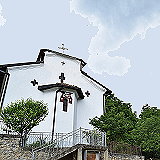
| Southwestern | |
| The Southwestern Statistical Region is one of eight statistical regions of North Macedonia. Located in the west of the country, it borders Lake Ohrid with Albania to the west. The region's population was 177,398 in 2021. Southwestern centers around Lake Ohrid and the historic cities and villages surrounding the country's most famous lake landscape. | |
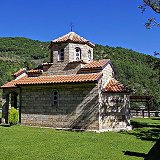
| Southeastern | |
| The Southeastern Statistical Region is one of eight statistical regions of North Macedonia. Located in the southeast of the country, it borders Greece and Bulgaria. The region's population was 148,387 in 2021. | |
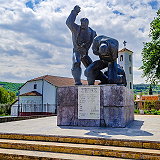
| Northeastern | |
| The Northeastern Statistical Region is one of eight statistical regions in North Macedonia. It borders Kosovo and Serbia to the north and Bulgaria to the east. The region's population was 152,982 in 2021. The largest city is Kumanovo. | |
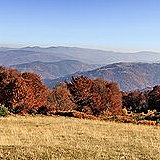
| Pelagonia | |
| The Pelagonia Statistical Region is one of eight statistical regions of North Macedonia. It is located in the southwest of the country, along the plain of the same name, bordering Greece to the south and Albania to the west. The region's population was 210,431 in 2021. The largest city is Bitola. Pelagonia is a blend of historical cities, national park landscapes, and Lake Prespa. | |
| Polog | |
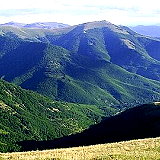
| The Polog Statistical Region is one of eight statistical regions of the Republic of North Macedonia. Polog, located in the northwest of the country, borders Albania and Kosovo. The region's population was 251,552 in 2021. The largest city is Tetovo. | |
| Skopje City | |
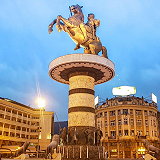
| Skopje is the capital and largest city of North Macedonia. It is the country's political, cultural, economic, and academic center. In 2021, Skopje had a population of 422,540 in the metropolitan area and 526,502 in the ten municipalities that make up the city. | |
| Saint Naum Monastery | |
| Saint Naum Monastery is a renowned religious site located in the Republic of North Macedonia, near the southern shore of Lake Ohrid. The monastery holds significant historical, cultural, and spiritual importance. Its stunning location, magnificent architecture, and rich religious heritage make it a must-see destination for travelers seeking a blend of natural beauty, historical exploration, and peaceful atmosphere. | |

| Mavrovo National Park | |
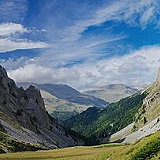
| Mavrovo National Park is one of the most beautiful and biodiverse areas in North Macedonia, offering stunning natural landscapes, cultural monuments, and opportunities for outdoor activities. Located in western North Macedonia, near the town of Mavrovo, the park covers an area of approximately 731 km², encompassing mountains, rivers, forests, and villages. | |

| Eastern | |
| The Eastern Statistical Region is one of eight statistical regions of North Macedonia. The region's population was 150,234 in 2021, down from 181,858 in 2002. The largest city is Štip. The Eastern Statistical Region is divided into 11 municipalities. | |
| North Macedonia | |
| North Macedonia is a landlocked country located in Southeast Europe. Skopje, the capital and largest city, is home to a quarter of the country's 2.08 million inhabitants. The country covers an area of 25,713 km² (9,928 sq mi). It is a land where history, nature, cuisine, and traditions blend together into an unforgettable journey. | |

| Terceira Island | |
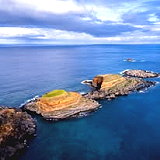
| Terceira is a volcanic island in the Azores archipelago of Portugal. It is one of the larger islands in the archipelago, with a population of 53,311 over an area of approximately 396.75 km² (153.19 sq mi). The population of the Azores in 2021 was approximately 236,657. | |
| Les Moneghetti | |
| Les Moneghetti is a ward located in the north-central part of the Principality of Monaco, bordering France. It is influenced by steep slopes from the coast up to the La Turbie cliffs above, and includes the Sainte Dévote gorge cutting through the cliffs. The population in 2008 was 3,131. | |
| Saint Michel | |
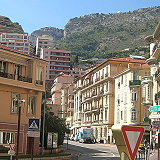
| Saint Michel is a ward located north-central Monaco, within the traditional Monte Carlo district. In 2008, it had a population of 3,907 and an area of 0.14 km². Saint Michel is a residential community, but also boasts numerous fashion boutiques and restaurants. | |
| Santa Maria Caves | |
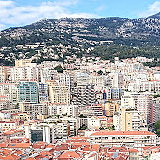
| The Santa Maria cave complex comprises five caves located on Comino Island, one of Malta's islands in the Mediterranean Sea. Famous for their spectacular beauty and crystal-clear waters, visitors can reach these caves by small boat, navigating through a series of narrow entrances. The caves offer breathtaking underwater views and unique rock formations. | |
| Ta Kalanka Sea Cave | |
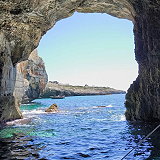
| Ta’ Kalanka Sea Caves is a rugged, rocky coastal area on the beautiful Delimara Peninsula, near Marsaxlokk in southeastern Malta. It's known for its crystal-clear waters and natural rock formations, and is often visited by swimmers. Despite its name, it's part of a rugged coastline rather than a developed beach; therefore, be prepared for few or no amenities nearby. | |
| Comino | |
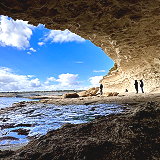
| Comino is a small island located between Malta and Gozo in the Mediterranean Sea. It is part of the Maltese archipelago. Despite its small size, Comino is renowned for its stunning beaches and crystal-clear waters, making it a popular tourist destination. Despite its popularity with tourists, Comino retains its unspoiled beauty, with no permanent residents and limited development. | |

| Ggantija | |
| Ggantija is a Neolithic temple complex located on the Mediterranean island of Malta. It is one of the oldest freestanding structures in the world, with the oldest parts of the temple dating back to around 3600 BC. The complex comprises two temples, constructed from massive blocks of stone – each weighing several tons. The Ggantija temples are a fascinating example of early human civilization. | |

| Hagar Qim Temple | |
| The Hagar Qim Temple is one of the most important prehistoric sites in Malta, renowned for its impressive megalithic structures. Dating back to approximately 3600-3200 BC, it is older than both Stonehenge and the Giza Pyramids. It is part of the Maltese megalithic temple complex, showcasing the advanced construction skills and cultural practices of the Neolithic inhabitants of the Maltese archipelago. | |
