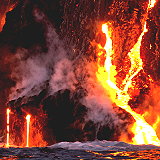
Hawaiʻi Volcanoes National Park is a United States national park located on the island of Hawaiʻi in the state of Hawaii. The park includes two active volcanoes: Kīlauea, one of the world's most active volcanoes, and Mauna Loa, the world's largest shield volcano.
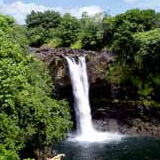
Rainbow Falls, also known locally as Waiānuenue Falls, is a majestic 80-foot (approximately 24-meter) waterfall located along the verdant Wailuku River in Hilo, on the main island of Hawai'i. Named after the spectacular rainbows that often appear in the mist on sunny mornings, this waterfall is an ideal destination for nature lovers, families, and photographers.
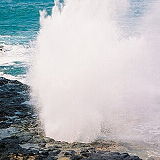
On Kauaʻi’s South Shore you’ll find the spectacular Spouting Horn blowhole, one of the most photographed spots on Kauaʻi. The Poʻipū surf channels into a natural lava tube here and releases a huge spout of water that can reach as high as 50 feet into the air. You’ll also hear a hiss and a roar that is the basis of a Hawaiian legend.
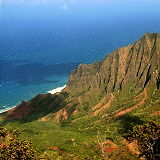
The Na Pali Coast provides a rugged grandeur of deep, narrow valleys ending abruptly at the sea. Waterfalls and swift flowing streams continue to cut these narrow valleys while the sea carves cliffs at their mouths. Extensive stone walled terraces can still be found on the valley bottoms where Hawaiians once lived and cultivated taro.
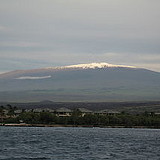
Mauna Kea is a dormant volcano and the highest peak located on the Big Island of Hawaii. It is part of the Hawaiian–Emperor seamount chain and rises prominently from the Pacific Ocean. The mountain offers recreational activities, including hiking and stargazing. Visitors can explore the unique landscape of cinder cones and lava flows on its slopes.