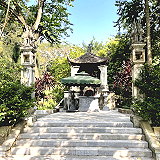
The Ngô Quyền Mausoleum and Temple complex, located in the Đường Lâm Ancient Village in Sơn Tây, Hanoi, is a significant historical and cultural site in Vietnam. It is dedicated to Ngô Quyền, a national hero who is credited with ending a millennium of Chinese domination and establishing the first independent Vietnamese kingdom in the 10th century.
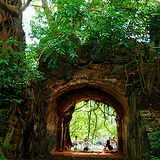
Son Tay Ancient Citadel (Thành Cổ Sơn Tây) is a unique historical site in Sơn Tây, Hanoi, Vietnam. Built in 1822 during the Nguyễn Dynasty by King Minh Mang, it served as a military stronghold to protect the northwestern gateway of Thăng Long (now Hanoi).
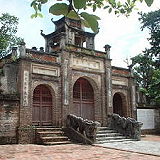
Di tích Thành Cổ Loa (Co Loa Citadel) is a citadel built near Phong Khe, Dong Anh district, Hanoi, during the end of the Hong Bang Dynasty (about 257 BCE). The fortress is a spiral-shaped complex of the then new capital.
19c Hoàng Diệu, Điện Biên, Ba Đình, Hà Nội, Vietnam
468 views 💖 4 👍 1
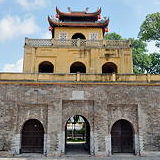
Hoàng Thành Thăng Long, also known as the Thang Long Imperial Citadel, is a historic site located in the Ba Dinh district of Hanoi, the capital city of Vietnam. It holds great significance in Vietnamese history and culture and has been recognized as a UNESCO World Heritage Site.
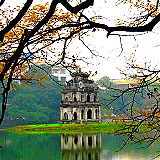
Hồ Hoàn Kiếm, often referred to as Hoan Kiem Lake, is a famous and iconic lake located in the historic center of Hanoi, the capital city of Vietnam. It is centrally located, making it easily accessible to both locals and tourists. It is a significant cultural, historical, and scenic landmark in Hanoi.
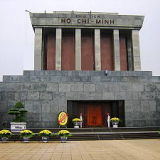
Ho Chi Minh Mausoleum (Lang Chu Tich Ho Chi Minh) is a mausoleum in Ba Dinh, Hanoi, Vietnam, where the embalmed body of revolutionary leader and President Ho Chi Minh is kept. It is a large building located in the center of Ba Dinh Square, where Ho, Chairman of the Workers' Party of Vietnam from 1951 until his death in 1969, read the Declaration of Independence on 2 September 1945, establishing the Democratic Republic of Vietnam. It is open to the public every morning except Monday.