Fort St. Catherine is a coastal artillery fort at the North-East tip of St. George's Island, in the Imperial fortress colony of Bermuda. Situated on the northeastern tip of St. George’s, Fort St. Catherine sits between St. Catherine’s Beach and Achilles Bay, towering above pink-sand beaches and offering sweeping ocean views nearly everywhere you look.
E. Princes St Gardens, Edinburgh EH2 2EJ, United Kingdom
144 views 💖 1 👍 0
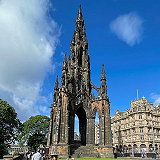
Standing proudly in Princes Street Gardens in Edinburgh, the Scott Monument is one of the most iconic Edinburgh landmarks. Dedicated to Sir Walter Scott, It is the second-largest monument to a writer in the world after the José Martí monument in Havana. The tower is blackish in colour giving it an eerie beauty. The spire is decorated with 64 figures representing various characters from the writer’s novels.
The Palace of Holyroodhouse, often referred to simply as Holyrood Palace, is the official residence of the British monarch in Scotland. Located at the end of Edinburgh’s Royal Mile, opposite Edinburgh Castle, it has a long and storied history. The palace has been a central figure in Scottish royal history and continues to be a place of great significance.
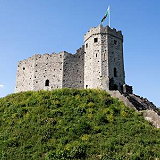
Cardiff Castle is a historic and iconic landmark located in the heart of Cardiff, Wales, United Kingdom. With over 2,000 years of history, the castle is one of the city's most popular tourist attractions, blending Roman, Norman, and Victorian influences.
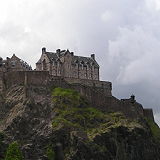
Edinburgh Castle is a historic castle in Edinburgh, Scotland. It stands on Castle Rock, which has been occupied by humans since at least the Iron Age, although the nature of the early settlement is unclear. There has been a royal castle on the rock since at least the reign of David I in the 12th century, and the site continued to be a royal residence until 1633.
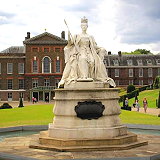
Kensington Palace is a historic royal residence located in Kensington Gardens, London, United Kingdom. It has been a home to members of the British royal family since the 17th century and remains a working royal residence today.
A traditional Scottish Castle built and inhabited by the Cawdor family for over 600 years. An ancient medieval tower constructed around the legendary holly tree. Uniquely for a Scottish Castle, Cawdor boasts three very different gardens. Each with their own history that generations of owners have, transformed, and extended.
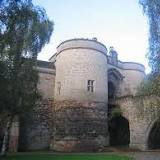
Nottingham Castle was a magnificent 17th century ducal mansion built on the site of the original Medieval Castle. Now Nottingham Castle is the city's main museum and art gallery.
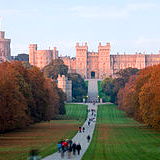
Windsor Castle is a royal residence at Windsor in the English county of Berkshire. It is strongly associated with the English and succeeding British royal family, and embodies almost a millennium of architectural history.
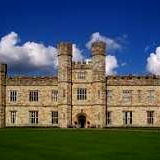
Leeds Castle is one of the best days out in Kent, you will want to come back time and again! Leeds Castle has 500 acres of beautiful parkland and formal gardens, daily events and year round attractions.
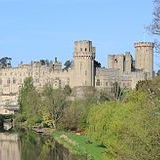
Warwick Castle is a medieval castle developed from a wooden fort, originally built by William the Conqueror during 1068. Warwick Castle is situated in the town of Warwick, on a sandstone bluff at a bend of the River Avon. The river, which runs below the castle on the east side, has eroded the rock the castle stands on, forming a cliff. The river and cliff form natural defences.
Stonehaven, Aberdeenshire AB39 2TL, United Kingdom
896 views 💖 10 👍 0
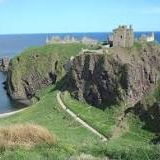
Dunnottar Castle is a ruined medieval fortress located upon a rocky headland on the north-eastern coast of Scotland, about 2 miles (3 kilometres) south of Stonehaven. The surviving buildings are largely of the 15th and 16th centuries, but the site is believed to have been fortified in the Early Middle Ages.
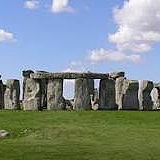
Stonehenge is one of the most iconic and mysterious archaeological sites in the world, located near Salisbury in Wiltshire, United Kingdom. This prehistoric monument is known for its massive stone circle and the enigmatic questions surrounding its purpose and construction.
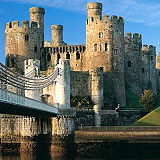
Conwy Castle is a medieval fortress located in the town of Conwy in North Wales, United Kingdom. It was built between 1283 and 1289 during the reign of King Edward I as part of his conquest of Wales. The castle was designed by the master mason James of St. George, who also worked on other Edwardian castles in Wales.
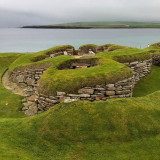
Skara Brae is a remarkable prehistoric village located on the Orkney Islands, a group of islands off the north coast of mainland Scotland, United Kingdom. It is one of the most well-preserved Neolithic settlements in Europe and offers a fascinating glimpse into the lives of its ancient inhabitants.
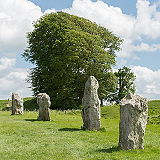
Avebury is a Neolithic henge monument containing three stone circles, around the village of Avebury in Wiltshire, in southwest England. One of the best known prehistoric sites in Britain, it contains the largest megalithic stone circle in the world. It is both a tourist attraction and a place of religious importance to contemporary pagans.
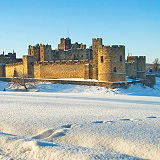
Alnwick Castle is a historic castle located in the town of Alnwick in Northumberland, England, United Kingdom. It is one of the most iconic and well-preserved castles in the country. It has a rich history dating back to the Norman period. It was originally built in the 11th century and has undergone various modifications and expansions over the centuries.
Eilean Donan is one of the most iconic images of Scotland. Eilean Donan is situated on an island at the point where three great sea lochs meet, and surrounded by some majestic scenery.
Highclere Park, Highclere, Newbury RG20 9RN, United Kingdom
196 views 💖 1 👍 0
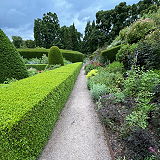
Highclere Castle is a stately home situated in Hampshire, England. The castle is surrounded by beautifully landscaped gardens and extensive grounds designed by Capability Brown, a renowned English landscape architect. The gardens feature a variety of flora, including formal gardens, herbaceous borders, and a Secret Garden.
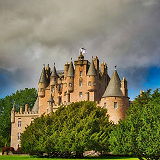
Glamis Castle is a historic castle located in Angus, Scotland, United Kingdom. It is situated near the village of Glamis and is known for its rich history and architectural significance. The castle has a history dating back to the 14th century. The current structure has evolved over the centuries, with additions and renovations contributing to its unique appearance.