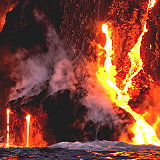
Hawaiʻi Volcanoes National Park is a United States national park located on the island of Hawaiʻi in the state of Hawaii. The park includes two active volcanoes: Kīlauea, one of the world's most active volcanoes, and Mauna Loa, the world's largest shield volcano.
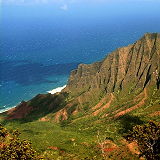
The Na Pali Coast provides a rugged grandeur of deep, narrow valleys ending abruptly at the sea. Waterfalls and swift flowing streams continue to cut these narrow valleys while the sea carves cliffs at their mouths. Extensive stone walled terraces can still be found on the valley bottoms where Hawaiians once lived and cultivated taro.
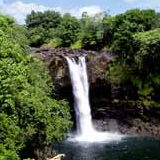
Rainbow Falls, also known locally as Waiānuenue Falls, is a majestic 80-foot (approximately 24-meter) waterfall located along the verdant Wailuku River in Hilo, on the main island of Hawai'i. Named after the spectacular rainbows that often appear in the mist on sunny mornings, this waterfall is an ideal destination for nature lovers, families, and photographers.
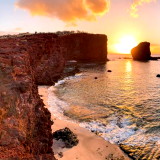
The Kalaupapa Cliffs are a stunning natural landmark located on the north coast of the island of Molokai in Hawaii, United States. The cliffs rise up to 3,000 feet above the Pacific Ocean, creating a dramatic and awe-inspiring landscape.
Kauai, often referred to as the Garden Isle, is the oldest and fourth largest of the main Hawaiian Islands. It's known for its lush, tropical landscapes, stunning beaches, and diverse range of outdoor activities. The 2020 United States census population of the island was 73,298. The most populous town is Kapa'a.
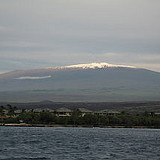
Mauna Kea is a dormant volcano and the highest peak located on the Big Island of Hawaii. It is part of the Hawaiian–Emperor seamount chain and rises prominently from the Pacific Ocean. The mountain offers recreational activities, including hiking and stargazing. Visitors can explore the unique landscape of cinder cones and lava flows on its slopes.
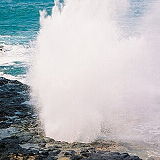
On Kauaʻi’s South Shore you’ll find the spectacular Spouting Horn blowhole, one of the most photographed spots on Kauaʻi. The Poʻipū surf channels into a natural lava tube here and releases a huge spout of water that can reach as high as 50 feet into the air. You’ll also hear a hiss and a roar that is the basis of a Hawaiian legend.
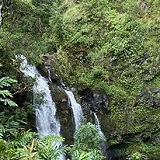
Hana Forest Reserve is a protected area located in Hana, Maui, Hawaii. It covers a significant portion of the eastern part of Maui and is known for its lush rainforest, waterfalls, and diverse plant and animal species. The reserve offers opportunities for hiking, nature exploration, and scenic drives.
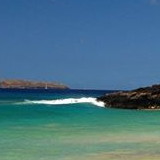
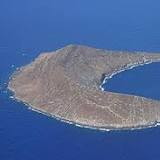
Molokini Crater is a popular snorkeling and scuba diving destination located in the Alalakeiki Channel between the island of Maui and Kaho'olawe Island. Molokini Crater is situated about 2.5 miles off the southwestern coast of Maui and is a partially submerged volcanic crater that forms a crescent-shaped islet.
Lehua Island is a small, crescent-shaped island in the Hawaiian islands, 0.7 miles (1.1 km) north of Ni'ihau, due west of Kauai. The uninhabited, 279-acre (1.13 km2) barren island is a tuff cone which is part of the extinct Ni'ihau volcano.
Kahoolawe Island is the smallest of the eight main volcanic islands in the Hawaiian Islands. It is located about seven miles (11 km) southwest of Maui and also southeast of LÄnaÊ»i, and it is 11 mi (18 km) long by 6.0 mi (9.7 km) wide, with a total land area of 44.97 sq mi (116.47 km2).
Lanai City is a small town located on the island of Lanai in Maui County, Hawaii, United States. It is the only town on the island and serves as the commercial and governmental center of the island. Lanai is the sixth-largest of the Hawaiian Islands and the smallest publicly accessible inhabited island in the chain.
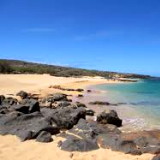
Polihua Beach is a remote, wild beach located on the northwest coast of the island of Lanai in Hawaii, United States. The beach is known for its long stretches of soft, white sand and crystal-clear waters, as well as its rugged, undeveloped landscape.