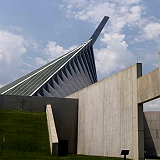
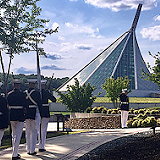
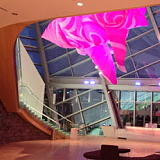
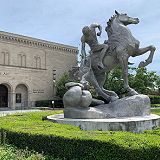
The National Museum of the Marine Corps is the historical museum of the United States Marine Corps. Located in Triangle, Virginia near Marine Corps Base Quantico, the museum opened on November 10, 2006, and is now one of the top tourist attractions in the state, drawing over 500,000 people annually.
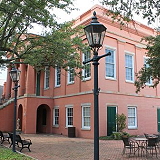
Portsmouth Art & Cultural Center is devoted to offering quality educational, cultural and aesthetic experiences in the arts through rotating visual art exhibits, lectures, classes and performances.
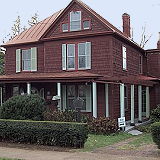
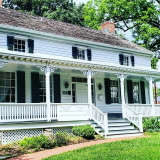
Anne Spencer House, located in Lynchburg, Virginia, is the former residence of Anne Spencer, a prominent African American poet, teacher, civil rights activist, and gardener. Anne Spencer (1882-1975) was an influential figure in the Harlem Renaissance, a cultural, social, and artistic movement that took place in the 1920s.
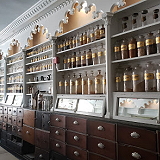
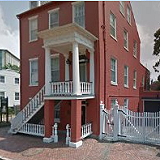
Stabler Leadbeater Apothecary Museum occupies two early 19th century buildings in Old Town Alexandria. The buildings were the site of the Stabler and Leadbeater Apothecary business throughout the 19th and early 20th centuries.
The Alexandria Black History Museum is a cultural institution located in Alexandria, Virginia, dedicated to preserving and sharing the history and contributions of African Americans in the city and the broader region. It contributes to the city's efforts to create a diverse and inclusive narrative of its past and present.
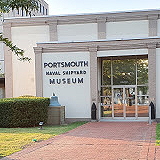
In 1989, the Lightship PORTSMOUTH was designated a National Historic Landmark. Now a museum, the ship's quarters are fitted out with period accessories, photographs, models, and other maritime artifacts.
The National Museum of the Marine Corps is the historical museum of the United States Marine Corps. Located in Triangle, Virginia. The National Museum of the Marine Corps is a lasting tribute to the commitment, accomplishments, and sacrifices of U.S. Marines. Situated on a 135-acre site adjacent to Marine Corps Base Quantico, Virginia.
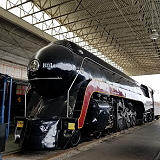
Located in downtown Roanoke’s century-old freight station, The Virginia Museum of Transportation has been collecting and preserving the Commonwealth's transportation history since 1963. It is recognized as The Commonwealth's Official Transportation Museum by the General Assembly and houses a great collection of steam, diesel, and electric locomotives.
The Museum of the Confederacy is a national treasure, an unmatched resource for anyone who wants to understand this nation in the twenty-first century.
The Lee-Fendall House Museum & Garden is a historic house museum located in Old Town Alexandria, Virginia. The museum interprets the lives of the people who lived there from 1785 to 1969.
Fairfax Museum and Visitor Center features exhibitions about local and regional history, including the permanent exhibit The Fairfax Story. The Museum hosts several historic programs throughout the year, including the popular Second Sunday series.
Historic Blenheim is known for its exceptional collection of Union soldiers' Civil War graffiti. Historic Blenheim offers several programs with a Civil War focus throughout the year. The premier program is Civil War Day, a living history event, annually held the last Saturday in April.
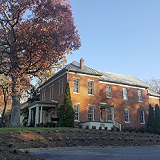
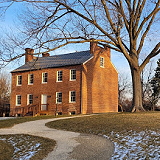
The Cherry Hill Farmhouse is a house museum in Falls Church, Virginia located next to the Cherry Hill Park. Built in 1845 in a Greek Revival architecture style, it belonged to wealthy farmer families until 1945, and in 1956 it became property of the City of Falls Church, which transformed it into a museum, as a historical building.
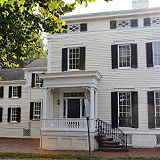
Hill House Museum is a historic home in Portsmouth, Virginia furnished entirely with family belongings from the 19th and 20th centuries, collected through generations, and left in their original places. Discover the story behind the Hill House Museum through the history of the family who lived there for over a hundred and fifty years.
The Children’s Museum of Virginia is a place where families and caregivers with children ages 1-11 are encouraged to imagine, explore, and discover together through play. Children step inside a world where bubbles grow bigger than they are, where the forces of energy electrify and spark their imagination, where they can be a farmer, a banker, a scientist, a stargazer and more.
The stately Moses Myers House and its peerless collection create an exceptionally accurate picture of the late Federal period and the life of this prosperous Jewish family.